Economics
How the compute is allocated, and why the model holds up
9Core's economics rest on three inputs: an ASIC-resistant algorithm, cost-efficient hardware, and solar power. Together they shape a business model that splits compute capacity between direct mining and compute sold within the ecosystem.
Business model
Roughly half mining, half compute
9Core's compute capacity is split roughly evenly between two uses, both running on the same underlying Ryzen 9 infrastructure.
That structure means 9Core is not purely a mining business. The same clusters that produce XMR also generate revenue by supplying compute to a real workload inside the ecosystem, which diversifies output beyond a single crypto asset without adding new infrastructure.
9Core's compute is deployed in 50kW pods, its designed and rated pod capacity, the same pod architecture pattern used by SunBit Mining Corporation elsewhere in the ecosystem. Current operations run at approximately 25kW, roughly half of designed pod capacity, consistent with a phased scale-up toward full 50kW as deployment grows. Of that current 25kW, roughly 12.5kW mines Monero directly, and 12.5kW powers DANI Ai's inference and compute workloads.
RandomX economics
Stable, CPU-optimized, ASIC-resistant
RandomX's ASIC resistance is an economic property as much as a technical one. Because specialized hardware cannot dominate the algorithm, hash output stays relatively stable and predictable across the network, which supports long-term planning rather than the boom-bust cycles common to ASIC-mined coins.
That predictability is compounded by Monero's ongoing viability as a network. As long as demand for private, censorship-resistant transactions persists, RandomX mining economics stay durable in a way that is harder to disrupt with a hardware breakthrough than most other proof-of-work systems.
Ryzen 9 cost efficiency
Performance-per-watt, performance-per-dollar
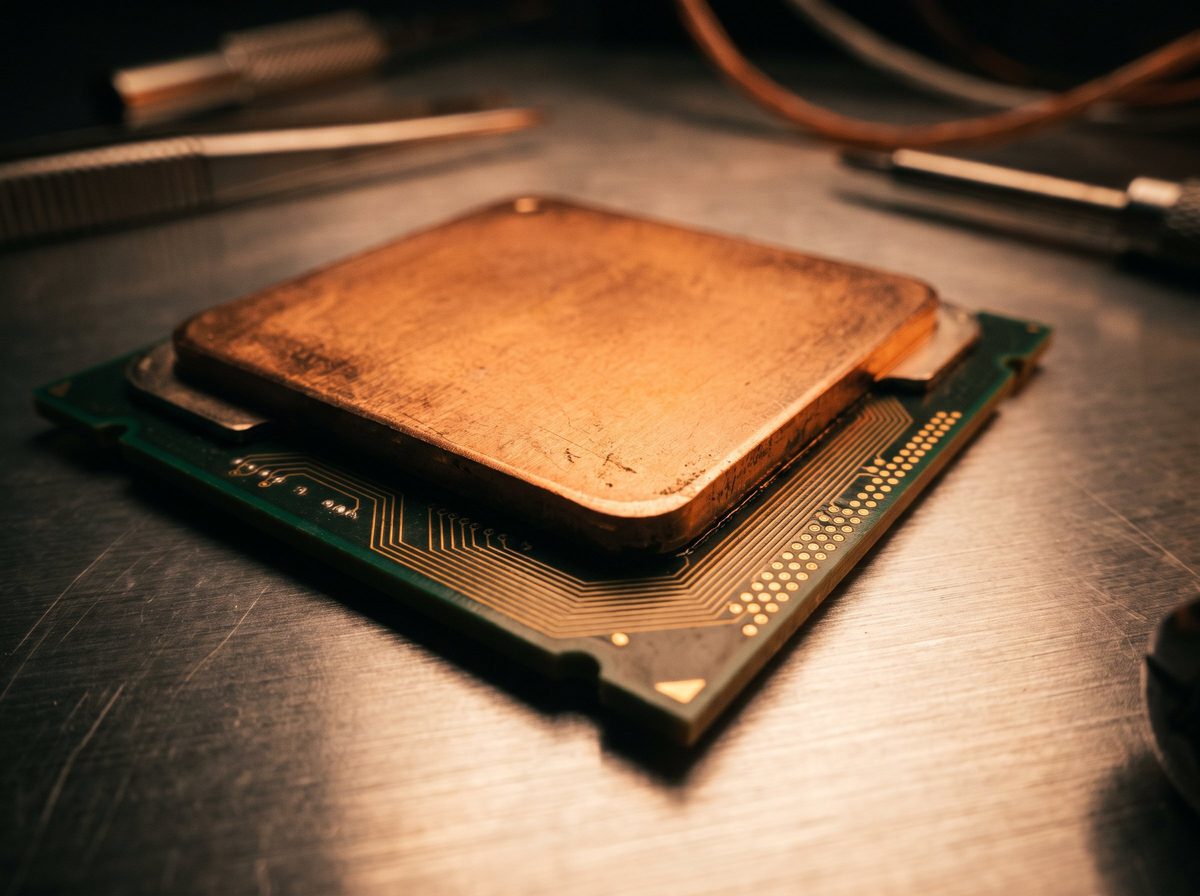
Hardware cost efficiency comes down to two ratios: how much hash output a chip produces per watt of power, and how much it produces per dollar spent on hardware. Ryzen 9 processors perform well on both, which is why the fleet has consolidated around them.
The move from Ryzen 7 5800X towers to Ryzen 9 6900HX micro-PCs is the clearest proof point: the same or better hashrate at meaningfully lower power draw. Because Monero's ASIC resistance is a durable design choice rather than a temporary gap, that cost advantage should hold over the long term rather than eroding as specialized hardware catches up.
Solar economics
Energy as a cost advantage, not just a sustainability line item
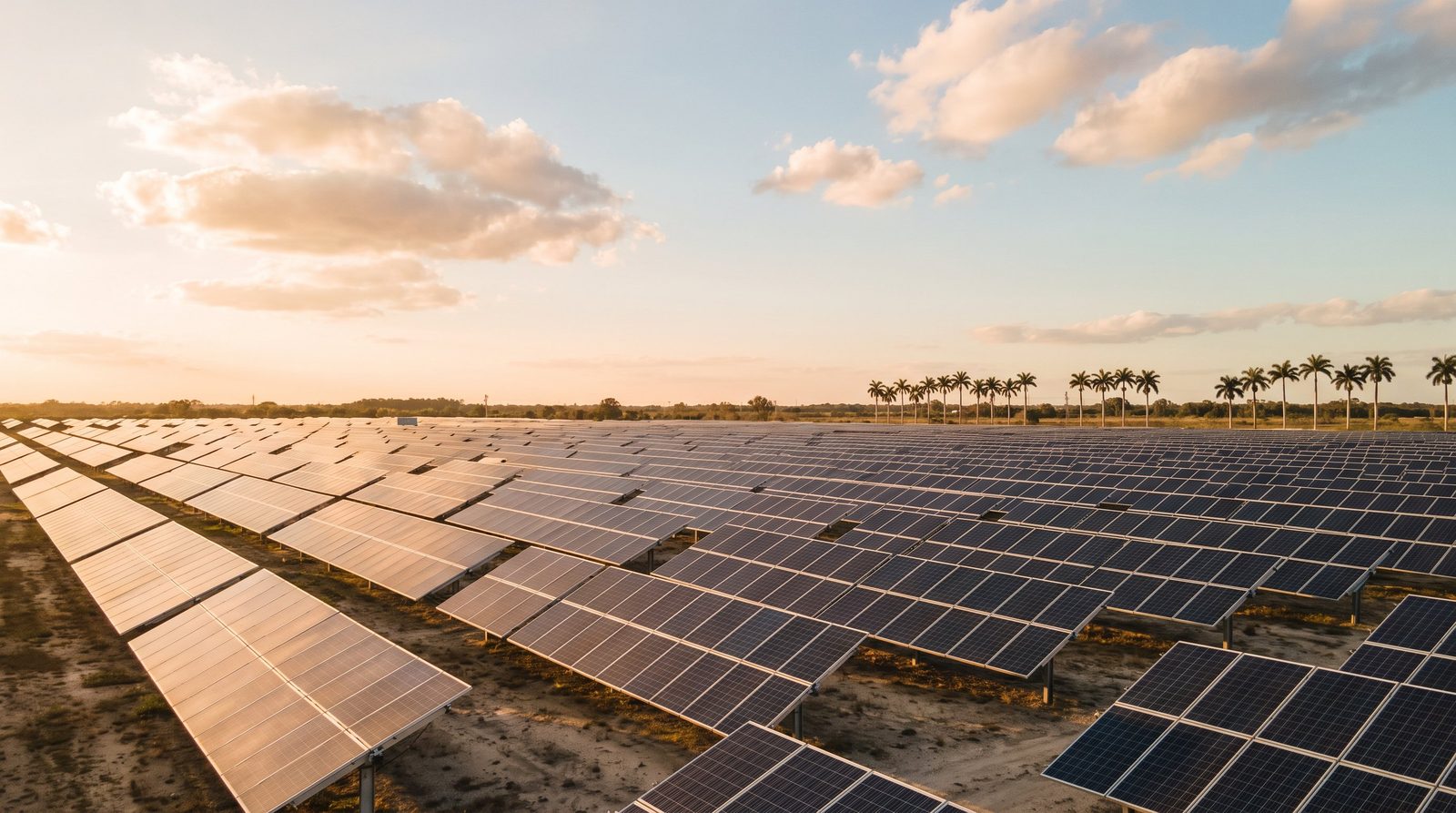
Solar power sourced from The Florida Sun turns one of mining's largest variable costs into a predictable one. That has a direct effect on margins, and it happens to align with the ESG priorities that matter increasingly to partners and investors.
Predictable long-term energy costs
Solar generation is largely decoupled from wholesale energy price swings, which stabilizes one of the largest recurring costs in mining.
Reduced exposure to market volatility
Less dependence on grid pricing means fewer surprises in the operating budget from quarter to quarter.
Improved mining margins
Lower and more predictable energy costs flow straight through to the margin on every unit of XMR produced.
Ecosystem synergy
Shared infrastructure, not a standalone operation
9Core operates within a broader ecosystem and shares infrastructure, monitoring systems, and energy sourcing with related operations rather than building everything in isolation. That shared foundation is part of what keeps costs efficient.