Hardware & Racks
Ryzen 9 rigs, rack design, and the systems that keep them running
The hardware layer is where 9Core's economics get decided. Chip choice, rack layout, power distribution, and cooling all compound into hashrate, cost, and uptime.
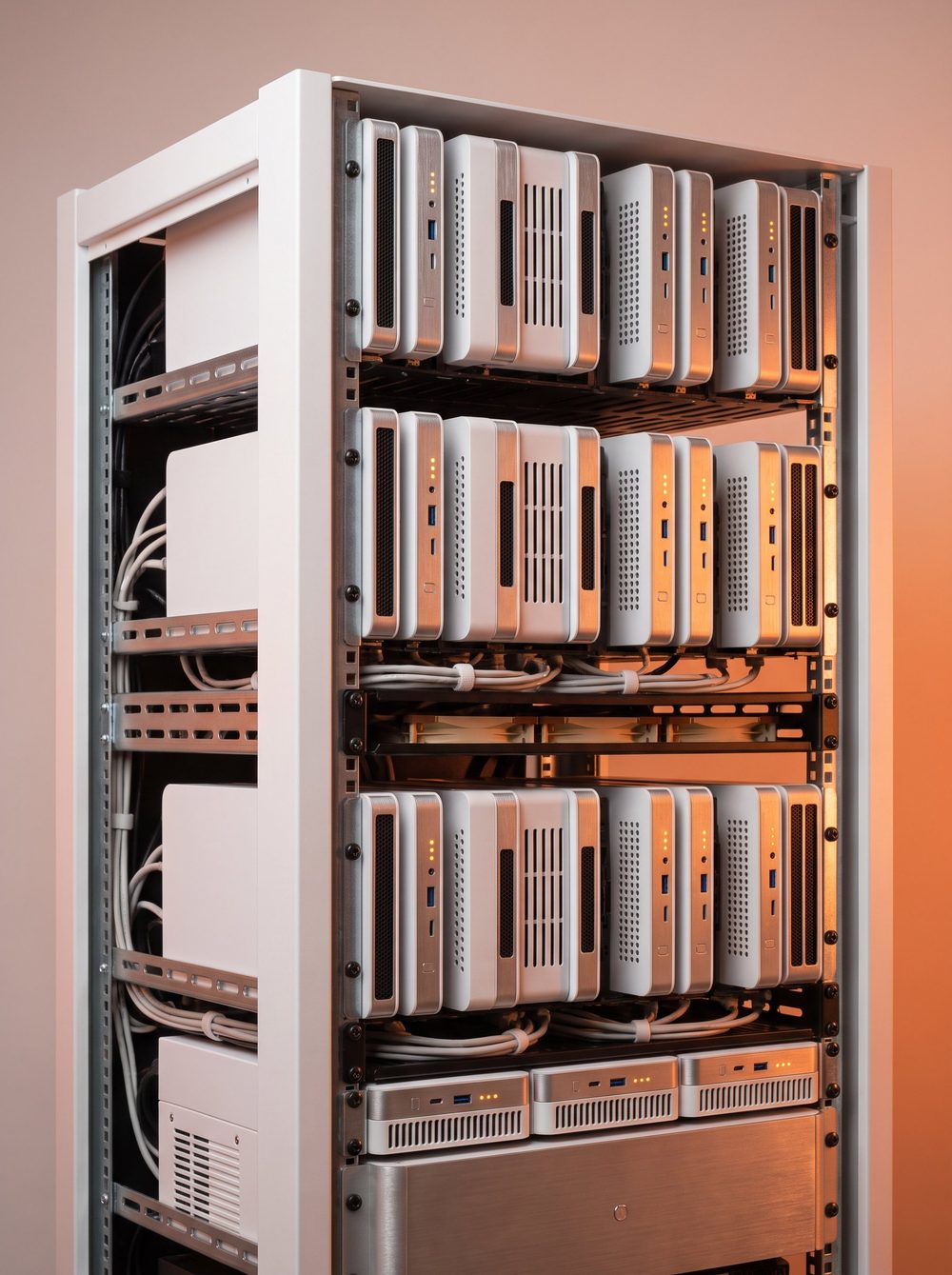
Compute rigs
High-density Ryzen 9 clusters, engineered for RandomX
9Core's fleet is built around Ryzen 9 processors, chosen for four practical reasons: high core counts, large L3 cache (which RandomX benefits from directly), efficient power draw, and strong performance-per-dollar relative to alternatives.
That is a change from where the fleet started. The earliest cluster ran on Ryzen 7 5800X desktop towers. Moving to a Ryzen 9 6900HX micro-PC architecture cut energy consumption while increasing hashrate, a rare case where efficiency and performance improved together rather than trading off.
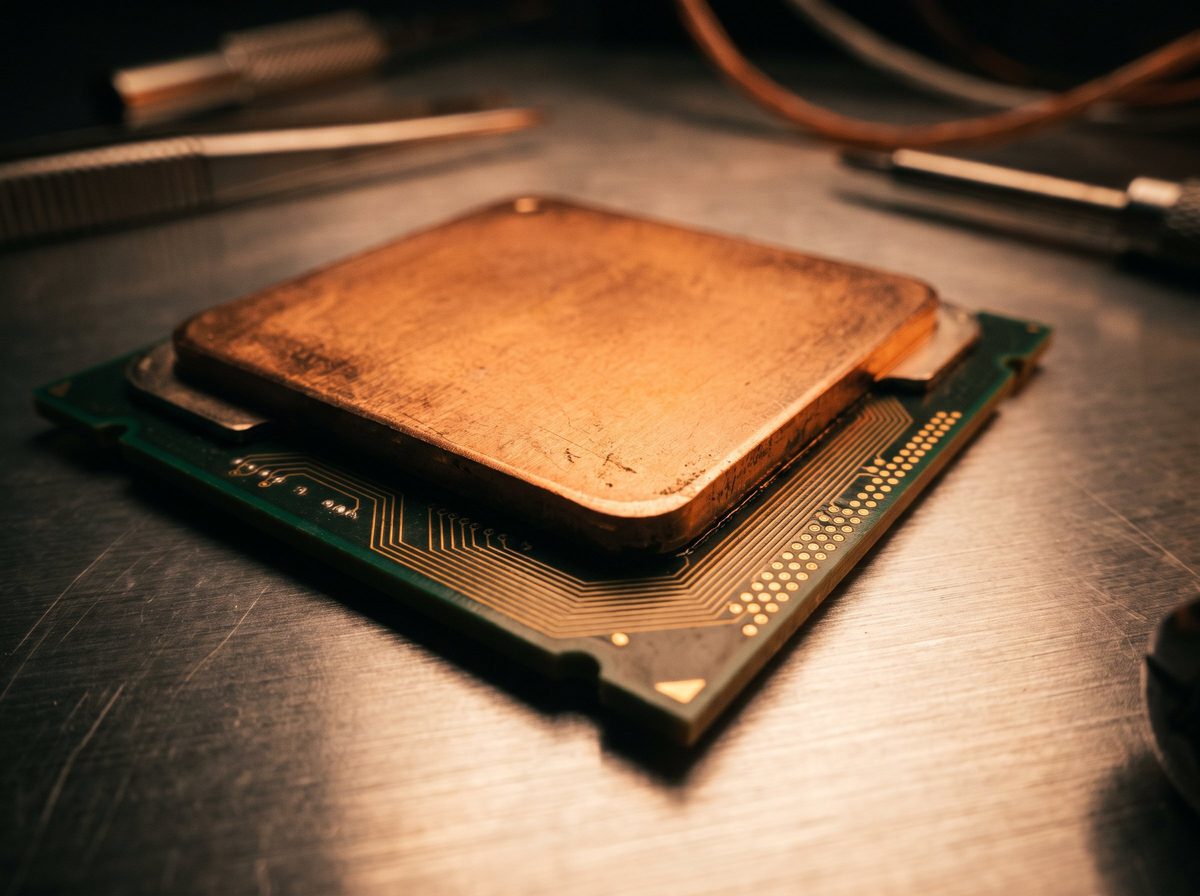
Rack architecture
Layout decisions that determine density and uptime
Power distribution
Redundant, solar-integrated power
Power distribution runs on redundant rails, so a single failure point does not take a rack offline. PSU configurations are tuned specifically for the sustained, steady draw of RandomX workloads rather than the bursty load profiles typical of other compute.
Solar integration ties this back to 9Core's broader energy strategy: power sourced from The Florida Sun feeds directly into the same distribution system, keeping operating costs predictable over the long term.
Pod architecture & current scale
Built in 50kW pods, currently running at half capacity
9Core's compute is deployed in 50kW pods, the standard unit 9Core uses to plan power, cooling, and rack layout together. It is the same pod architecture pattern used by SunBit Mining Corporation elsewhere in the ecosystem.
Of the current 25kW in operation, roughly 12.5kW mines Monero directly, and 12.5kW powers DANI Ai's inference and compute workloads. Running at half capacity today reflects a phased scale-up rather than a ceiling. As deployment grows through the roadmap, each pod is designed to scale toward its full 50kW rating.
Cooling & thermal engineering
Five layers of thermal control
Front-to-back airflow alignment
Consistent airflow direction across every unit in a rack, eliminating recirculated hot air.
Thermal zoning across racks
Cooling capacity allocated based on actual heat density rather than applied uniformly.
Predictive temperature monitoring
Continuous sensor data flags drift before it turns into a thermal event.
Automated throttling safeguards
Hardware protects itself automatically if conditions exceed safe operating range.
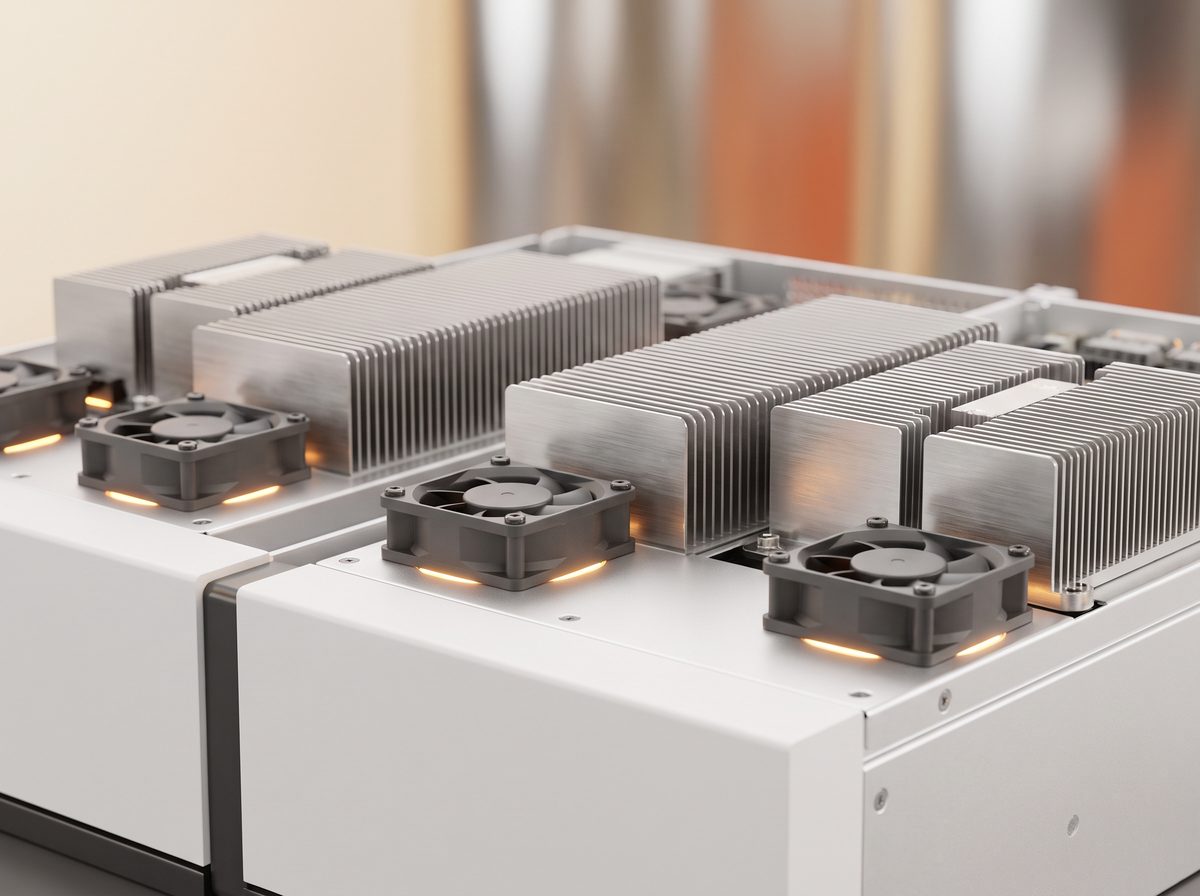
Optimized fan curves
Fan behavior tuned per unit for the quietest effective cooling at sustained load.
Serviceability & uptime
Designed to be maintained, not just deployed
Hardware at this density has to be easy to service, or uptime suffers the first time something needs attention. 9Core's approach standardizes as much as possible so maintenance is fast and predictable.